Russian Cultural Center
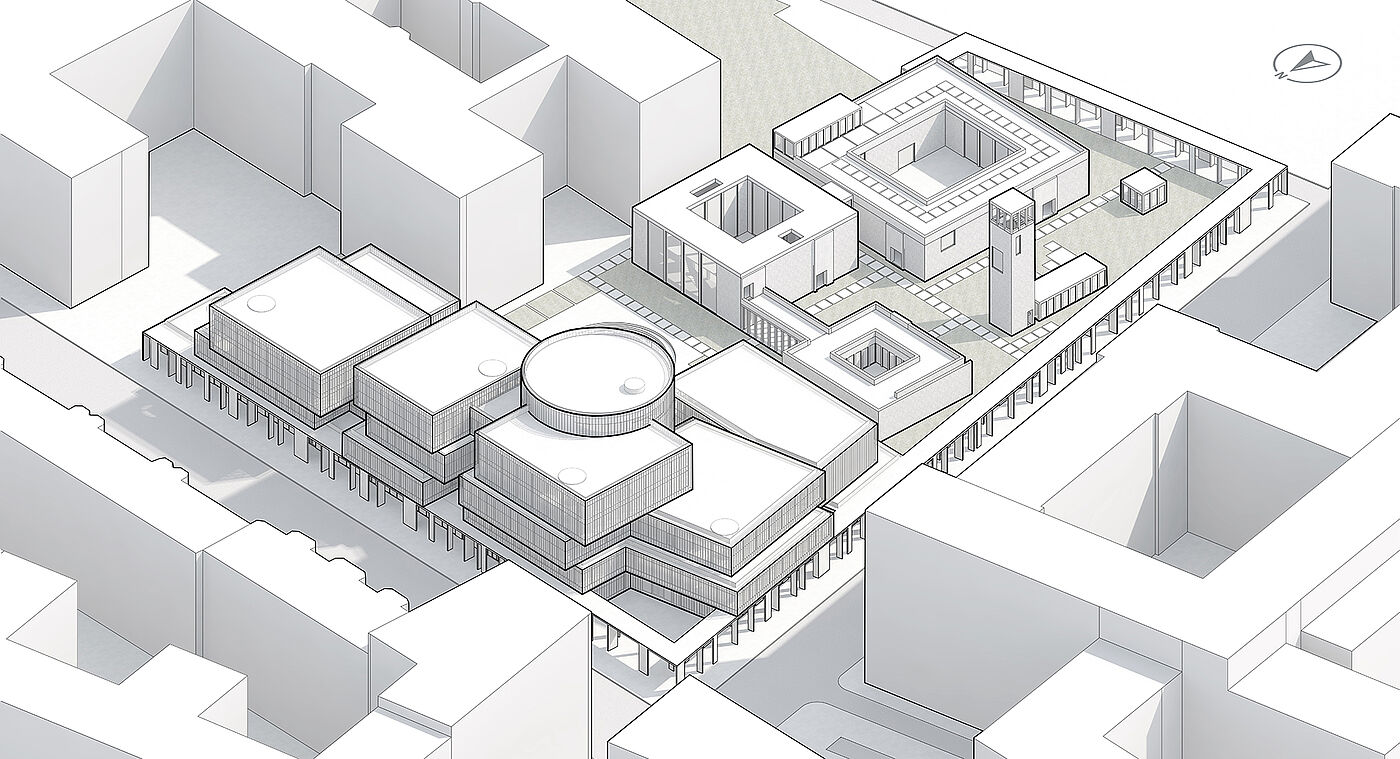
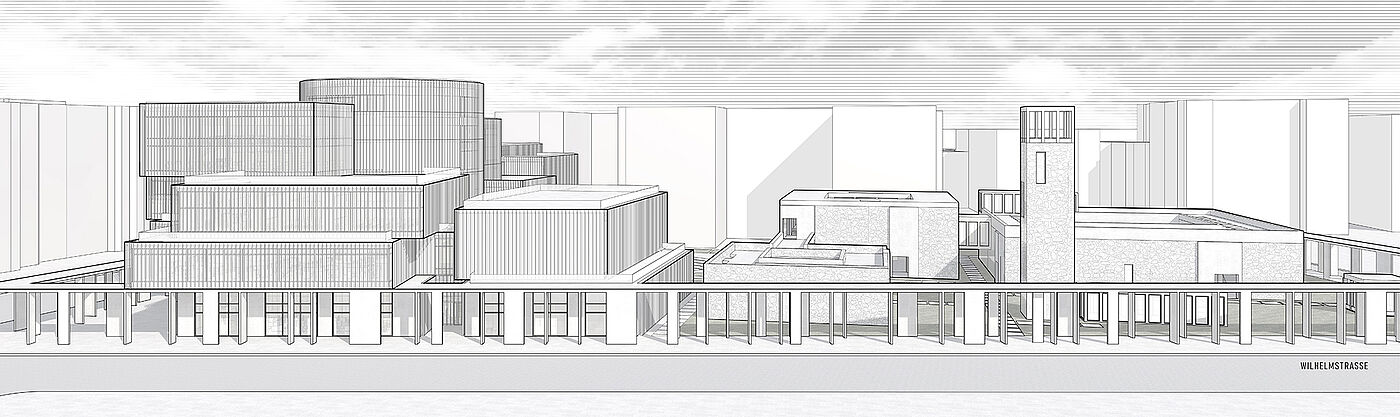
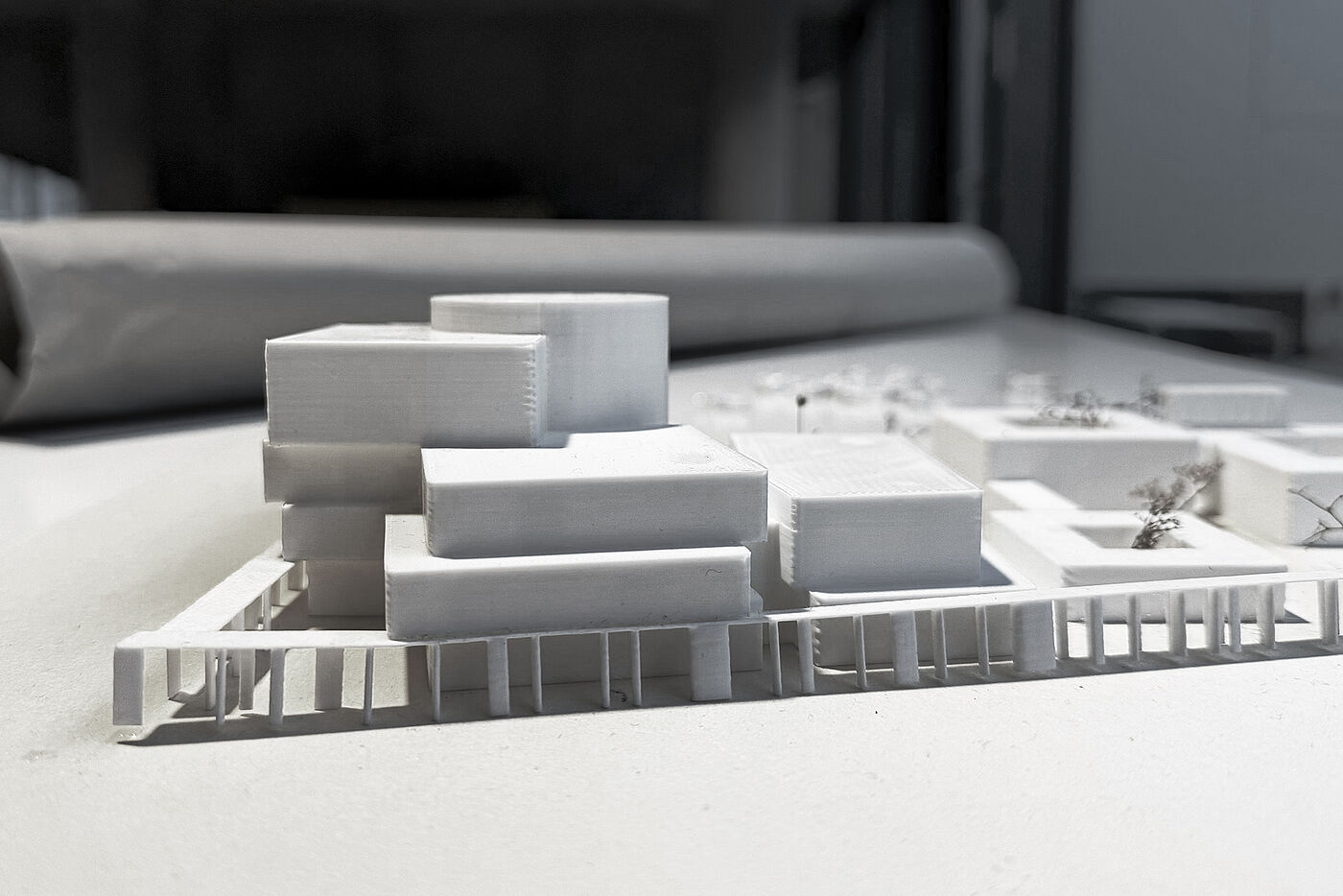
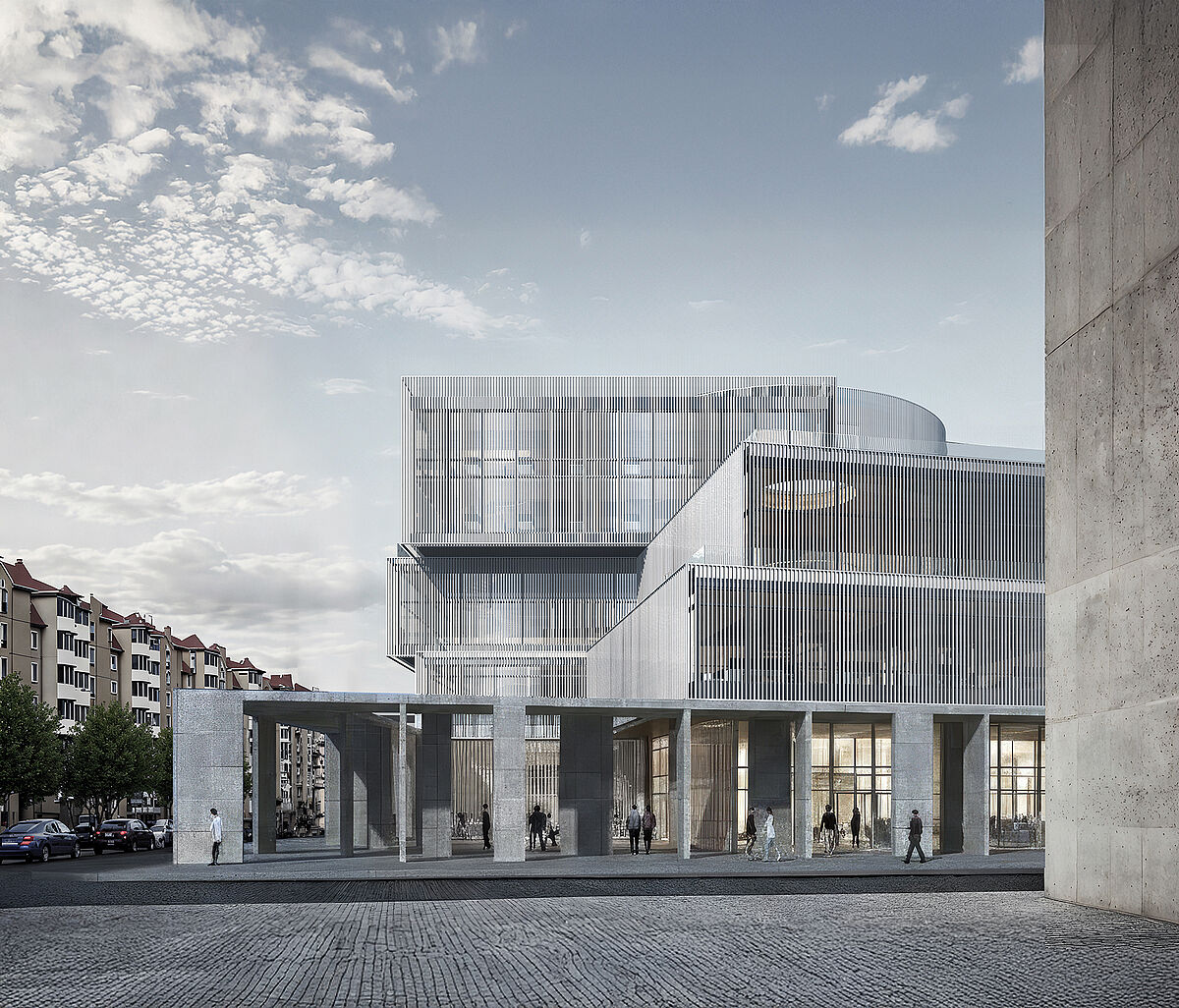
The volumetric concept of the Russian cultural center expresses the building as a composition of shifting volumes and non-linear circulation, creating constantly changing spatial situations. This fragmentation reflects the evolving and unsettled cultural identities of Russians living abroad, shaped by movement, adaptation, and overlapping narratives rather than a single fixed center. Multiple paths and perspectives replace linear hierarchy. The shifting volumes are unified by a stable cylindrical core containing the main atrium and circulation. Symbolically, this core represents a shared cultural anchor — an inner continuity that remains even as identities transform around it.
The program supports this idea through flexible exhibition spaces that allow parallel narratives, temporary shows, and independent events to operate either separately or as part of a non-linear sequence. Educational spaces, staff offices, coworking areas, the library, and artists’ studios support daily activity beyond exhibitions and create a direct connection between cultural display, learning, discussion, and artistic production.
The load-bearing structure is conceived as a timber post-and-beam system, with internal materials also based primarily on timber. The façade design symbolically expresses an important aspect of Russian culture and psyche: aluminum lamellas form a strict and seemingly cold exterior, while at night they act as a semi-transparent veil, revealing the warm and inviting interior hidden behind it.
Turkish Cultural Center
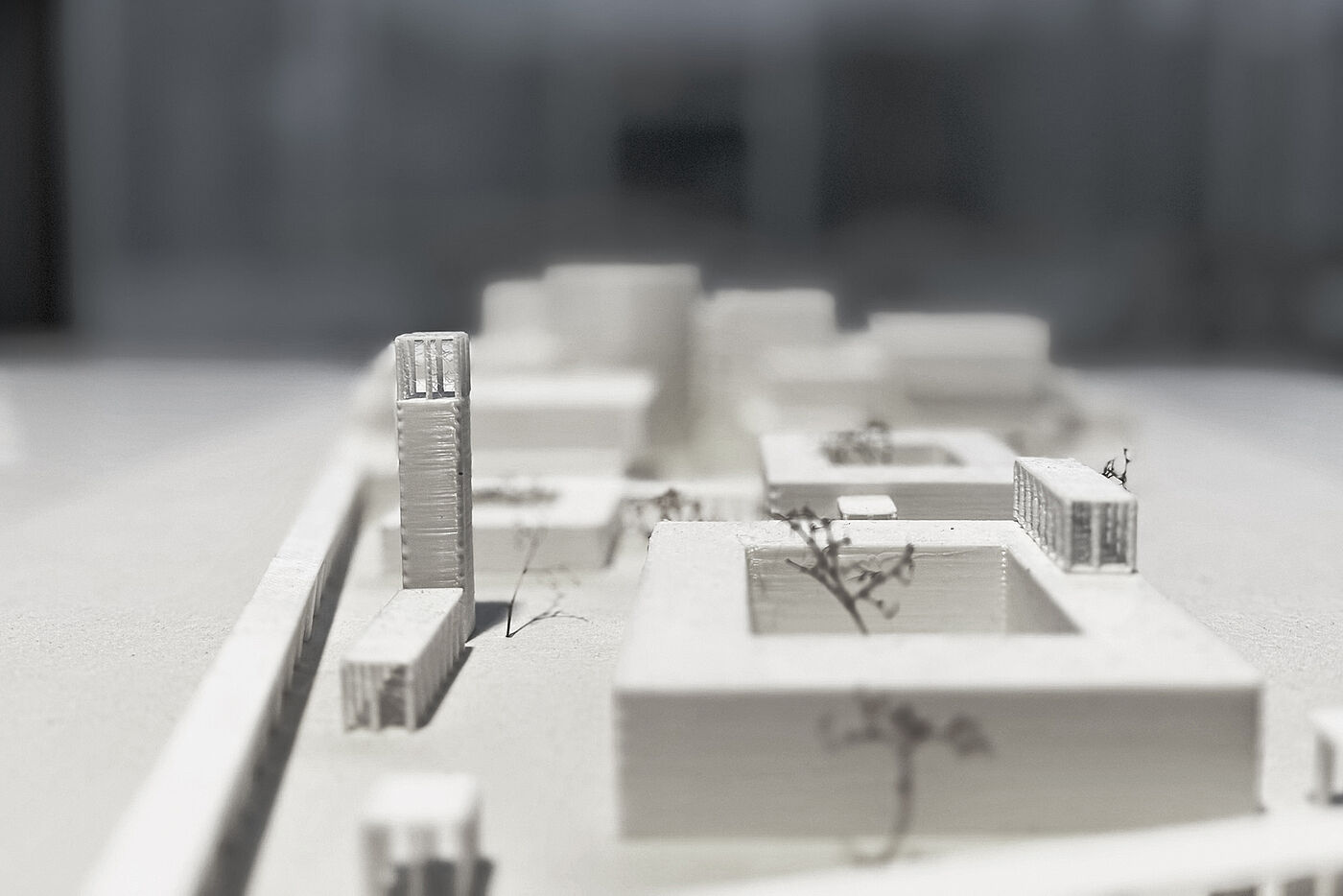
The Turkish cultural center is based on the caravanserai as a model of exchange, encounter, and temporary dwelling. Historically shaped by Turkey’s position along the Silk and Spice Routes, the caravanserai brought different communities together within a spatial system of courtyards, circulation, thresholds, and protected inner spaces.
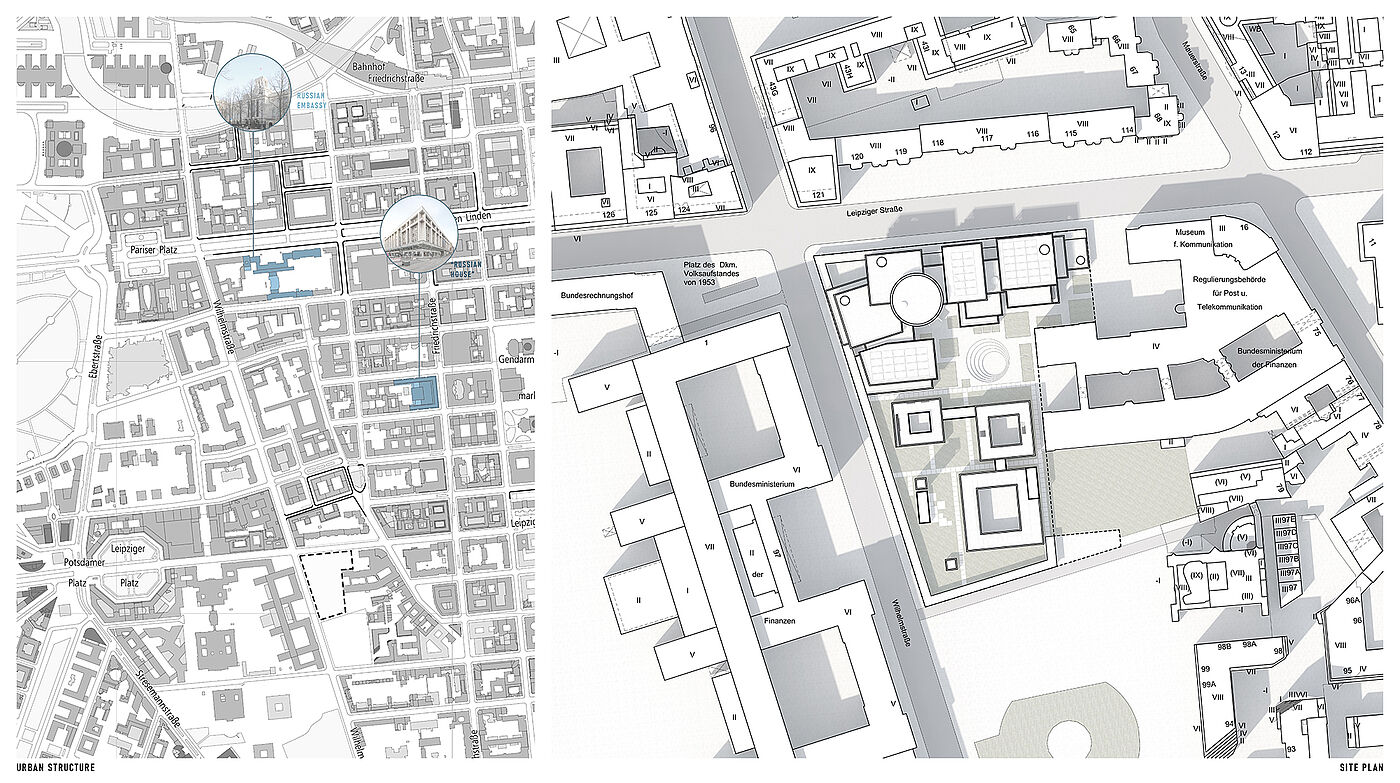
In this project, this typology is translated into a contemporary architectural language. Rather than seeking visibility through a dominant gesture, the building accepts the urban fabric as an existing framework and gradually withdraws through layers of permeability. The transition from the urban edge toward the inner core creates a human-scale spatial experience, where identity and belonging unfold more quietly within the building.
Nature becomes a central guide in this process. Trees, plants, and terrain elements shape movement, frame viewpoints, and create visual corridors. At the innermost point, a tree or natural element marks the essence of the space, reflecting the relationship between Turkish culture, nature, and architecture.
A tower adds a vertical historical dimension to the project. As visitors move upward through its levels, they encounter references to different periods of Turkish history, experiencing the cultural narrative step by step through space. Together, the courtyard, thresholds, nature, and tower form an inclusive architectural framework for intercultural connection, reflection, and shared experience.